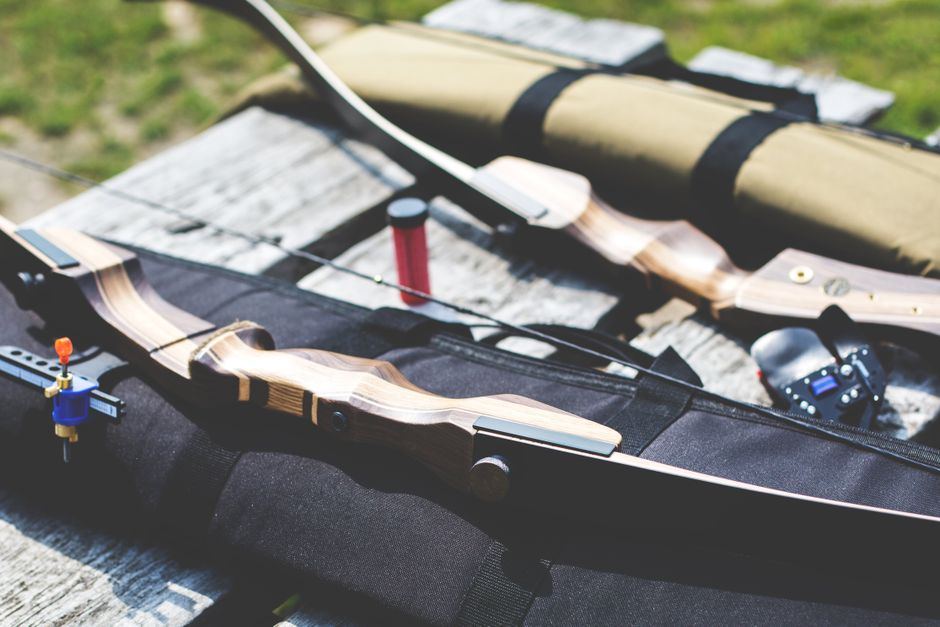
archery bow buying guide

Archery bows compared for hunters and target shooters

Find the Best Archery Bow for Your Draw, Distance, and Budget

Based on current 2026 testing from hunting and archery reviewers, we compare draw weight range, axle-to-axle length, and included accessories across the top compound and recurve bows -- from budget takedown recurves to flagship hunting compounds.

Compare the top archery bows
⚡ Limited-time perk

Free two-day delivery on your pick

Get your pick delivered fast -- try Amazon Prime free for 30 days.

Sponsored link -- we may earn a fee if you sign up. No extra cost to you.

Quick answer: Our top pick for archery bow is the Diamond Archery Infinite Edge Pro (Best Overall). If you're looking for premium, the Hoyt Alpha AX-3 33 is a strong alternative.

The right bow is the one that fits your draw, not the one with the best marketing

Reviewed by the FletchHaven team · last updated 2026-08-24

Archery bows split into two main families. Compound bows use a system of cams and cables that reduce the weight you have to hold at full draw -- often by 75-90% -- making them easier to aim steadily and hold at anchor, which is why most modern bowhunters shoot them. Recurve and traditional bows have no let-off: you hold the full draw weight throughout the shot, which takes more physical conditioning but comes with a simpler, lower-maintenance design that doesn't need periodic press tuning.

Many compound bows are sold as ready-to-hunt (RTH) packages that bundle a sight, arrow rest, quiver, and stabilizer at a lower combined price than buying each piece separately -- a practical starting point for a first bow, even though serious shooters often swap individual components as they refine their setup. Recurve bows are more commonly sold bare, with accessories added separately or skipped entirely for instinctive/barebow shooting.

Fit matters more than the spec sheet suggests. A bow's draw weight and draw length need to match the archer actually shooting it -- too heavy a draw weight ruins form and accuracy long before it builds useful strength, and a mismatched draw length changes anchor point and consistency shot to shot. Adjustable-draw compound bows like several picks below solve this by covering a wide range in one bow rather than locking you into a single spec.

A bow that shoots tight groups on a range target still leaves two problems unsolved in the field: knowing the exact yardage to a live target, and getting within range without being seen, heard, or smelled. That's why we also compare hunting rangefinders and tree stands below -- the two pieces of gear that most directly affect whether a well-tuned bow actually translates into a clean shot at game.

Draw weight and draw length fit

Match the bow to the archer's actual draw length and a draw weight they can pull smoothly through the full motion, not just hold at anchor -- poor fit hurts accuracy and consistency more than any brand difference. Adjustable-range bows like the Infinite Edge Pro or Cruzer G2 let one bow grow with a new archer instead of being outgrown in a season.

Compound vs. recurve mechanics

Compound bows hold most of the draw weight at full draw thanks to their cam system, making them easier to aim steadily for longer. Recurve and traditional bows hold the full weight throughout the shot -- more physically demanding, but with far less to maintain or get out of tune.

Ready-to-hunt package vs. bare bow

An RTH package bundles a sight, rest, quiver, and stabilizer at a lower combined cost than sourcing each part separately, and it's the simplest way to get a first bow shooting quickly. Bare bows cost less upfront but need those accessories added before they're field-ready.

Axle-to-axle length and maneuverability

Shorter axle-to-axle compound bows are easier to maneuver in a tree stand or ground blind, while longer bows tend to be more forgiving and stable for target practice -- worth weighing against how and where you'll actually shoot.

Let-off percentage vs. speed

A higher let-off percentage (typically 75-90% on modern compounds) makes holding at full draw easier for longer, usually at a small cost to arrow speed. Hunters waiting on a shot opportunity tend to value let-off more; target shooters chasing flat trajectories sometimes trade some of it back for speed.

Warranty and dealer support

Compound bows periodically need press adjustments and tuning at a pro shop -- check that the manufacturer has an accessible dealer network near you, not just a low sticker price, since that access matters more over the bow's life than it does on day one.

A bow alone doesn't finish the hunt

Once the bow itself is dialed in, judging exact yardage and closing the distance without being detected matter just as much -- see our picks for hunting rangefinders and tree stands below, both natural next purchases for anyone building out a bowhunting setup.

Product Best For Price Rating
Diamond Archery Infinite Edge Pro Best Overall $340 - $380 4.7/5
Hoyt Alpha AX-3 33 Premium $1,400 - $1,600 4.8/5
Bear Archery Cruzer G2 Best Value $300 - $340 4.5/5
Samick Sage Recurve Bow Best Traditional $140 - $170 4.6/5
Southwest Archery Spyder Recurve Bow Best Budget $100 - $130 4.5/5
Best Overall

Diamond Archery Infinite Edge Pro

4.7

A ready-to-hunt compound bow package with an unusually wide 5-70 lb draw weight and 13-31 inch draw length range, bundled with a rest, sight, quiver, and stabilizer -- one bow that fits nearly any archer from first shot through full-grown adult.

  • Draw weight (5-70 lb) and draw length (13-31 in) range fits nearly any archer
  • Ships with the core RTH accessories already bundled
  • Lightweight and easy to draw for its price
  • Not as fast or as quiet as flagship-tier hunting compounds
Premium

Hoyt Alpha AX-3 33

4.8

Hoyt's flagship aluminum-riser hunting compound, built around a smooth draw cycle and a speed-to-shootability balance that puts it at the top of most 2026 shoot-off comparisons.

  • Best-in-class blend of speed and shootability in Hoyt's lineup
  • Exceptionally smooth draw cycle for a hunting-weight bow
  • Premium fit, finish, and build quality
  • Steep price relative to beginner and mid-range bows
  • Overkill for a first bow or casual target shooting
Best Value

Bear Archery Cruzer G2

4.5

A compound bow with a 5-70 lb draw weight and 12-30 inch draw length range in a lighter, more maneuverable frame than the Infinite Edge Pro, at a similar price point.

  • Wide 5-70 lb draw weight and 12-30 in draw length range
  • Lighter and easier to maneuver in a stand or blind
  • Strong reviews relative to price
  • Slightly less forgiving than the Infinite Edge Pro for absolute first-timers
Best Traditional

Samick Sage Recurve Bow

4.6

A takedown recurve with interchangeable limbs, letting draw weight increase as the archer's skill grows -- the long-running default recommendation for starting traditional archery.

  • Interchangeable limbs let draw weight grow with the archer
  • Proven, well-reviewed design with over a decade of track record
  • Simple takedown design with little to maintain
  • No let-off -- holding at full draw is more demanding than a compound
Best Budget

Southwest Archery Spyder Recurve Bow

4.5

A takedown recurve aimed squarely at new archers, with an ergonomic riser and enough build quality to outperform its price point in current beginner comparisons.

  • Lowest price of the picks here while still well-reviewed
  • Ergonomic riser design praised for beginners
  • Takedown design allows future limb upgrades
  • Fewer included accessories than the RTH compound packages

Which one should you get?

You're buying your first bow and don't want to shop for parts separately

The Diamond Archery Infinite Edge Pro (Best Overall) ships with the core RTH accessories already bundled and its wide draw range means it won't be outgrown quickly.

You want the best shooting experience money can buy

The Hoyt Alpha AX-3 33 (Premium) tops most 2026 shoot-off comparisons for its speed-to-shootability balance.

You want a wide draw-weight range without paying a premium price

The Bear Archery Cruzer G2 (Best Value) covers nearly the same range as the Infinite Edge Pro in a lighter frame.

You want to learn traditional form, or want a bow that grows with your skill

The Samick Sage's (Best Traditional) interchangeable limbs let you increase draw weight over time without buying a new bow.

You're on a tight budget but still want a well-reviewed recurve

The Southwest Archery Spyder (Best Budget) delivers solid beginner-level quality at the lowest price here.